Recognize the problem
A low window, bathroom pane, or glass beside a door looks dangerously easy to fall into.
Clarify what is included
Discuss tempered safety glass, laminated safety glass where selected, setting blocks, glazing tape or gasket, retaining stops, sealant. Separate proposed replacement parts from materials, equipment used during the visit and any report you will receive. Confirm compatibility for proposed parts.
The proposed work
The assessment identifies the glazing location, dimensions and applicable safety-glazing requirements before material is ordered. The agreed work removes the existing pane and installs the specified tempered or laminated glazing with compatible setting and retention materials. Ask for the product marking and documentation relevant to the opening.
Parts of the conversation
- tempered safety glass
- laminated safety glass where selected
- setting blocks
- glazing tape or gasket
- retaining stops
- sealant
Condition, compatibility and the proposed method need to be checked before work begins.
TAKE A CLOSER LOOK
Understand the moving parts.
Around your home
Familiar spaces. Thoughtful care.
KNOW WHAT YOU ARE AGREEING TO
Before you approve the work.
The component being changed +
Glass-only, hardware-only and complete-frame work involve different materials and labor. Compare proposals for the same work.
Access and concealed condition +
Opening size, access, finishes and damage discovered during removal can change the work. Agree how any change will be documented.
The complete proposal +
Clarify removal, disposal, weatherproofing, finish restoration and completion checks before comparing totals.
Questions from the homeowner’s side.
What does tempered & laminated safety glass involve?
The assessment identifies the glazing location, dimensions and applicable safety-glazing requirements before material is ordered. The agreed work removes the existing pane and installs the specified tempered or laminated glazing with compatible setting and retention materials. Ask for the product marking and documentation relevant to the opening.
What should the proposal say about parts, materials and equipment?
Discuss tempered safety glass, laminated safety glass where selected, setting blocks, glazing tape or gasket, retaining stops, sealant. Ask the provider to distinguish existing parts to inspect, proposed replacements, and tools, materials or reports included in the service. Request a reason for any replacement and confirm compatibility with your equipment. A list of possible items does not mean that every item must be supplied or replaced.
Can a difficult sliding door be repaired without replacing the frame?
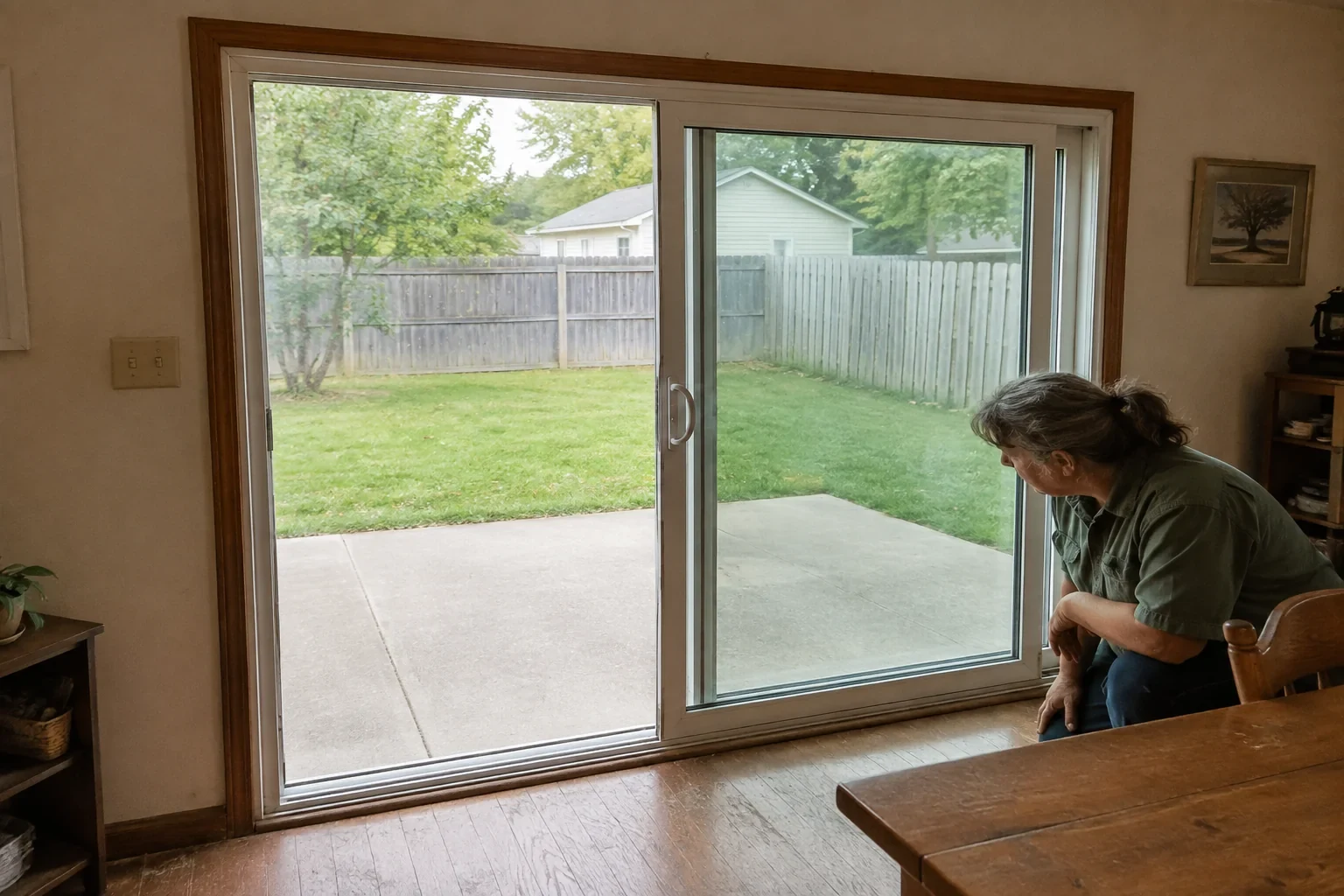
A sticking panel can involve rollers, track damage, alignment or worn seals. Ask which condition was observed and whether compatible parts are available. A sound frame may remain in place for a targeted repair; deterioration at the sill or frame can change that scope. Compare the actual findings before choosing a complete replacement.
Does fog between panes mean the whole window needs replacement?
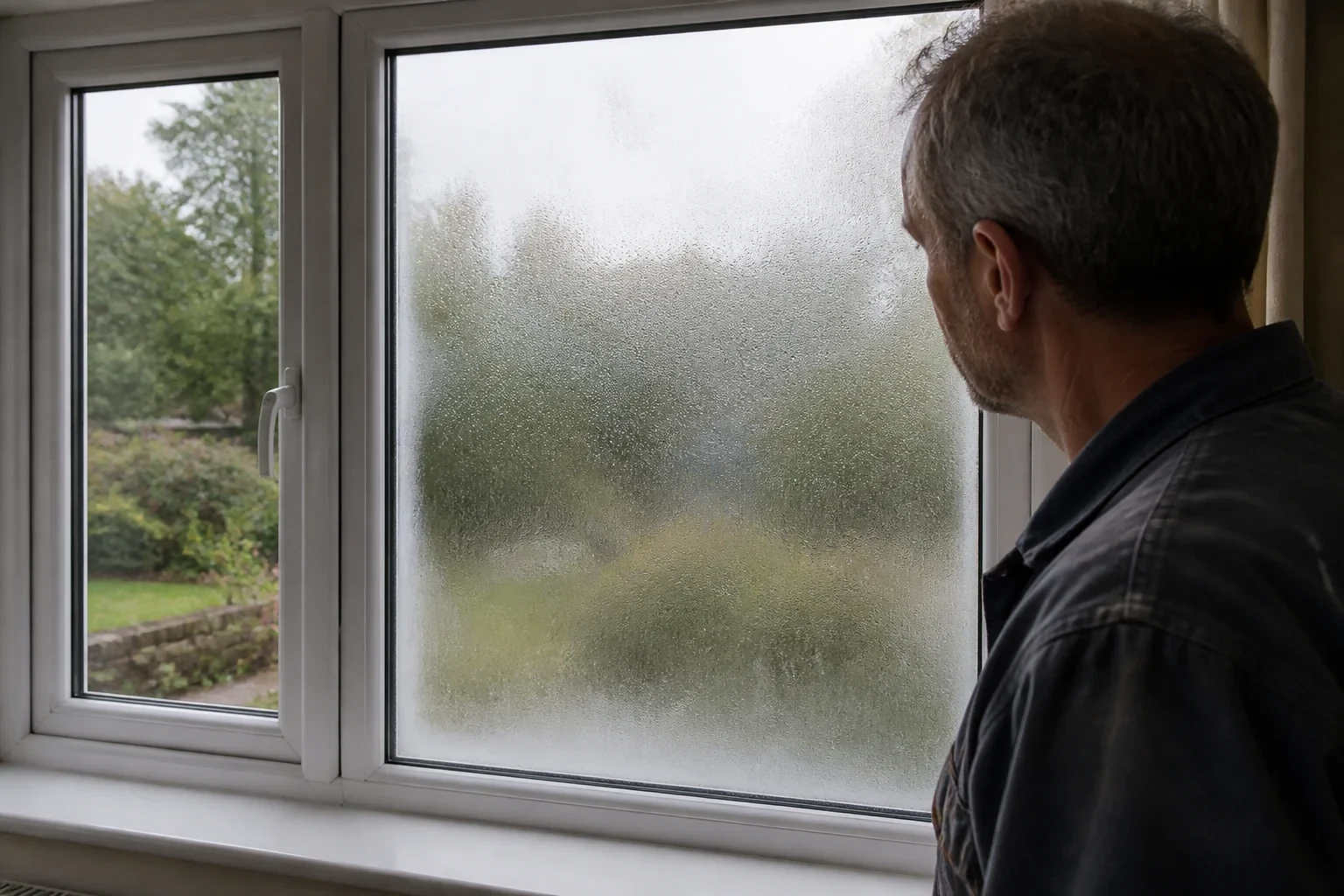
Moisture between the panes is different from condensation on a room-facing surface. A proposal may replace the sealed glass unit while retaining a suitable sash and frame. Ask which component has failed, how the replacement glass is specified and whether the existing frame can support the work.
How do insert and full-frame window replacement differ?
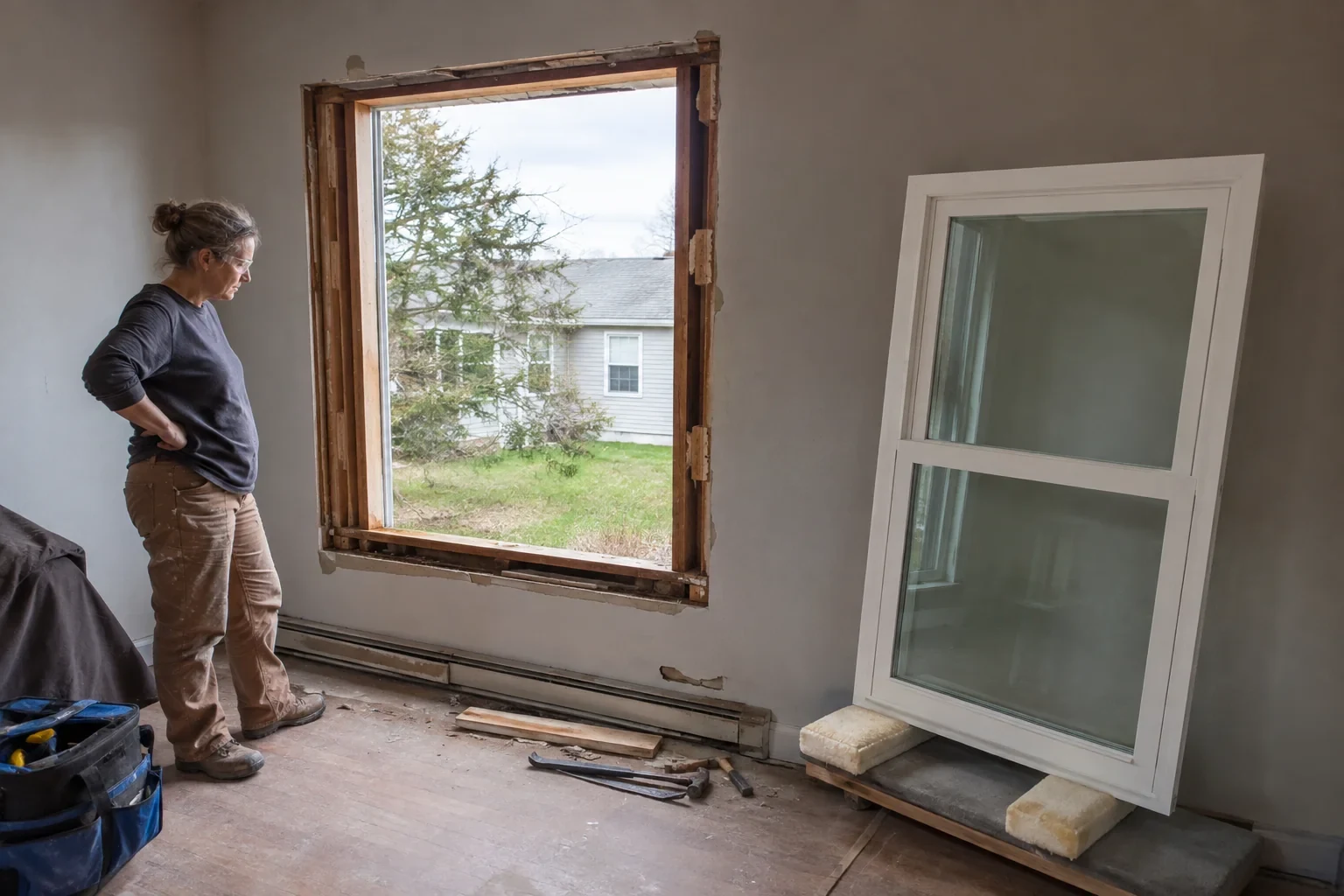
An insert retains a suitable existing frame and places a replacement unit within it. Full-frame work removes more of the assembly and exposes the opening for assessment. Compare retained materials, flashing work, trim restoration and the resulting clear opening rather than treating both proposals as the same job.
What should I compare on a window performance label?
Compare the ratings for the complete product and its suitability for the local climate and project. U-factor and solar heat gain coefficient describe different aspects of performance. Ask which specified unit the label describes; a generic brochure does not establish the rating of the product being supplied.
What information helps prepare a door or window visit?
Describe the opening, how it moves and what changed. Note whether a concern is with glass, the moving panel, hardware or the surrounding wall. If available, gather product labels, earlier invoices and photographs taken without dismantling the assembly. Explain access restrictions and keep people away from broken glass.
What should the written scope include?
Ask which units and components are included, what remains in place, how access and removal are handled, and who restores affected finishes. Confirm product specifications, disposal, weatherproofing and completion checks. Any concealed damage discovered during the work needs an explained change to the agreed scope.
How do tempered and laminated glass differ?
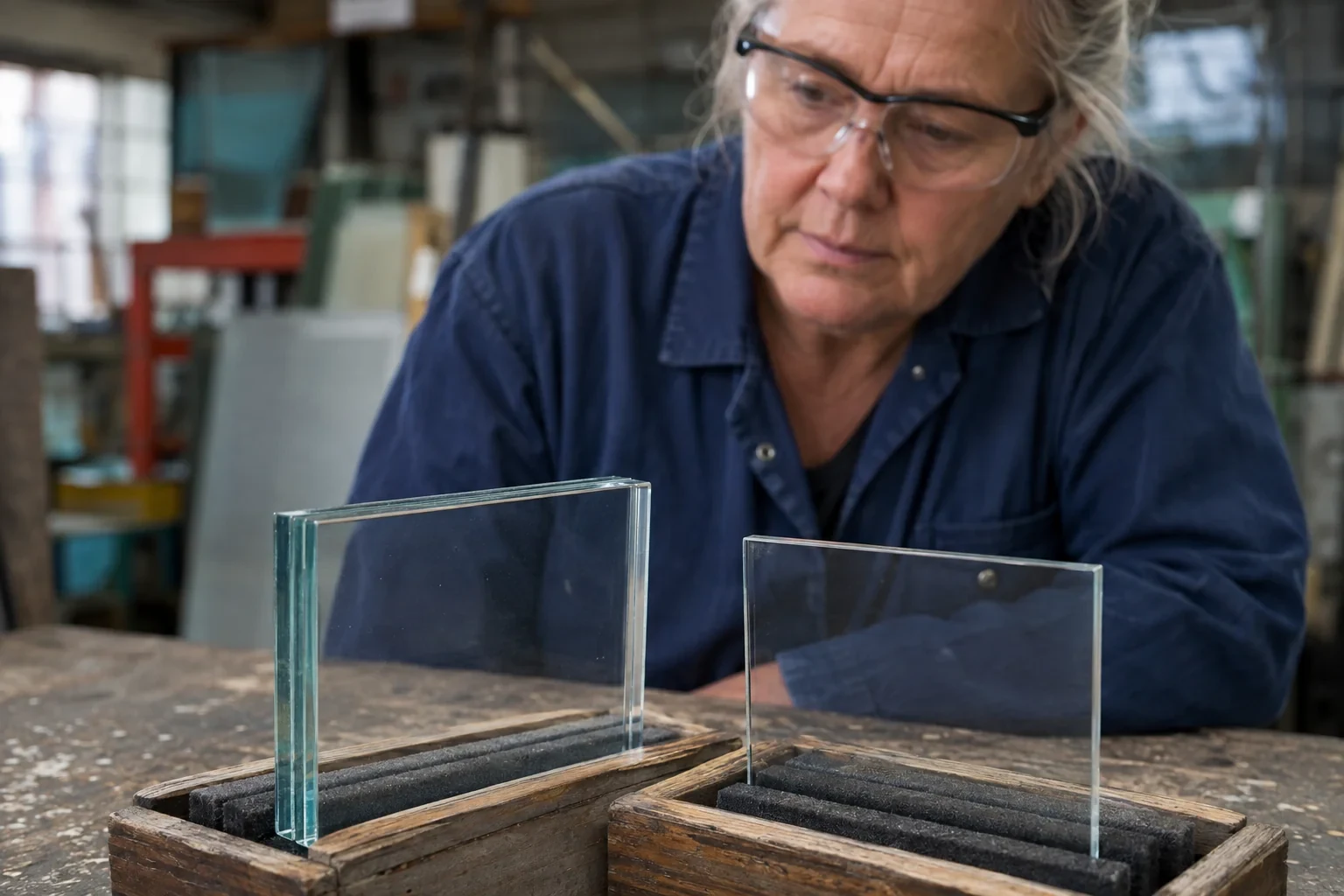
Tempering changes how a pane is heat-treated; lamination bonds glass layers with an interlayer. Viracon describes fully tempered glass as breaking into relatively small pieces and laminated units as designed to hold together when damaged. These features do not make every configuration interchangeable. Ask which specified product and supporting evidence suit the opening.
Does every low window or pane near a door need the same safety glass?
The opening’s location and dimensions need to be assessed against the applicable requirements. For example, San José’s replacement guidance addresses new glazing in existing hazardous locations. That local example is not a verdict for another property. Have the reviewer identify the relevant location criteria and the proposed compliant glazing before ordering.
What does a tempered-glass mark tell me?
It helps identify the glass. Andersen explains how to locate a tempered safety code on its products and recommends contacting the manufacturer when identification is uncertain. Record the visible mark and match the replacement documentation to the specified pane. Product identification does not by itself verify the surrounding frame, installation or suitability for that location.
Does safety glass also establish hurricane-impact approval?
Treat those as separate evidence questions. Miami-Dade’s published window guidance asks for product approvals and identifies pressure ratings and glass options for new assemblies. The words tempered or laminated alone do not provide that documentation. Ask for the applicable approval and selected assembly details if wind or debris-impact performance is part of the proposed work.
References for these answers
Viracon: heat-treatment and breakage distinctions ↗
Viracon: laminated-glass construction ↗
Andersen: identifying tempered glass ↗
San José: an example of hazardous-location replacement guidance ↗
Miami-Dade: an example of window product-approval documentation ↗